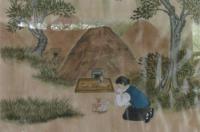
Title: The Art of Paint
Painting is an expressive form of art that has captivated humanity for centuries. The act of applying pigments onto a surface to create a visual representation of thoughts, emotions, and the world around us is truly magical. In this article, we will explore the history of paint, its significance in different cultures, and its evolution as an art medium.
The Origins and Significance of Paint
Painting has been an integral part of human civilization since ancient times. The earliest evidence of paint usage dates back to prehistoric cave paintings, where early humans used natural pigments to create images of their daily lives, rituals, and animals. These paintings not only served as a form of artistic expression but also had a significant religious and social purpose, often depicting the tribe's hunting scenes or rituals. In ancient civilizations such as Egypt and Mesopotamia, paint played a vital role in decorating tombs, temples, and public buildings. The vibrant colors used in their artworks symbolized power, wealth, and spirituality. Additionally, these cultures believed that painting had magical properties and could serve as a bridge between the earthly and spiritual realms. During the Renaissance period, painting became an essential part of European art. Artists such as Leonardo da Vinci, Michelangelo, and Raphael used oil-based paints to create lifelike portraits, religious scenes, and landscapes. The emergence of painting as a respected profession marked a significant shift, with artists gaining recognition and patronage from royalty and wealthy individuals.
The Evolution of Paint as an Art Medium
As time progressed, advancements in technology and materials revolutionized the art of painting. The invention of oil paint in the 15th century by Flemish painters, such as Jan Van Eyck, added a new dimension to the possibilities of painting. Oil paint allowed for a greater range of colors, better blending capabilities, and increased longevity of the artwork. In the 19th century, the invention of tubes for storing paint revolutionized the art world. This allowed artists to work outdoors and capture the fleeting beauty of nature en plein air. Painters like Claude Monet and Vincent Van Gogh embraced this new freedom and unleashed their creativity, resulting in the Impressionist movement and its emphasis on light, color, and capturing the essence of a moment. With the advent of the 20th century, artists started experimenting with new materials and techniques. The introduction of acrylic paint, which offered quick-drying properties and a wide range of applications, allowed for a faster and more versatile approach to painting. Artists like Jackson Pollock embraced this medium and made significant contributions to the Abstract Expressionism movement.
The Role of Paint in Contemporary Art
In today's art world, paint continues to be a powerful and versatile medium. Artists explore various styles, techniques, and concepts, pushing the boundaries of traditional painting. From hyper-realistic portraits to abstract installations, paint is used to convey personal narratives, social commentary, and emotional experiences. Furthermore, the accessibility of painting has increased with the introduction of digital tools and platforms. Digital painting and computer-generated art have expanded the possibilities of what can be achieved with paint, blurring the lines between traditional and contemporary art forms. Despite the advancements in technology, many artists still embrace traditional methods of painting. The act of physically applying paint to a canvas or surface provides a tactile experience that connects the artist to their work on a deeper level. The slow and deliberate process of layering colors, building texture, and creating depth requires patience, skill, and a keen attention to detail. In conclusion, paint has played a significant role in the artistic journey of humanity. From ancient cave paintings to modern digital art, painting continues to evolve, adapt, and inspire. Its ability to capture the essence of the human experience and communicate emotions makes it a timeless and cherished art form.
温馨提示:应版权方要求,违规内容链接已处理或移除!